Joining Art Communities and Plein Air Groups
Connect with fellow artists in Nida, Trakai, and beyond. Information on local art groups, plein air painting events, and community gatherings throughout Lithuania.
Why Art Communities Matter
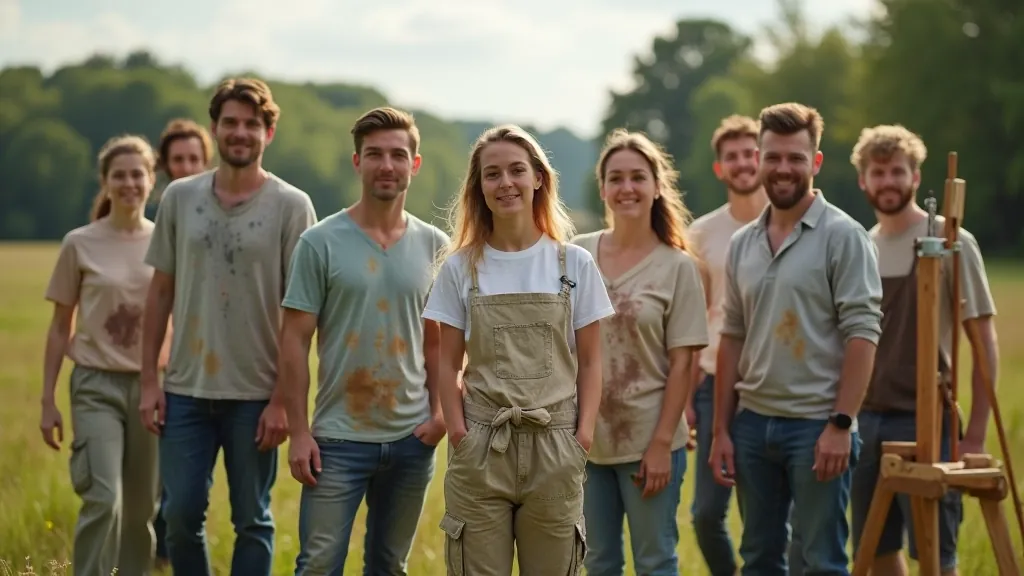
Painting alone is fine. But it's different when you're surrounded by people who get it — who understand why you spent two hours getting the light right on a single tree. Art communities aren't just about networking or selling work. They're about belonging to something.
Whether you're drawing in Vilnius Old Town or painting landscapes in Nida, finding your people changes everything. You'll learn faster, push yourself harder, and actually enjoy the process more. Plus, you're not the only one struggling with perspective or wondering if your color choices make sense.
Lithuania's got a vibrant art scene, especially in places like Trakai and along the coast. Local groups meet regularly, organize plein air sessions, and welcome beginners with open arms. The question isn't whether communities exist — it's how to find the right one for you.
What You'll Discover
- Where to find active art groups in your area
- How plein air painting sessions work
- Tips for joining without feeling awkward
- Ways communities help you improve faster
Types of Art Groups You'll Find
Not all art communities are the same. Some focus on specific techniques — watercolor groups, sketching clubs, digital art collectives. Others are location-based, meeting weekly at the same studio or park. Understanding what's available helps you pick the right fit.
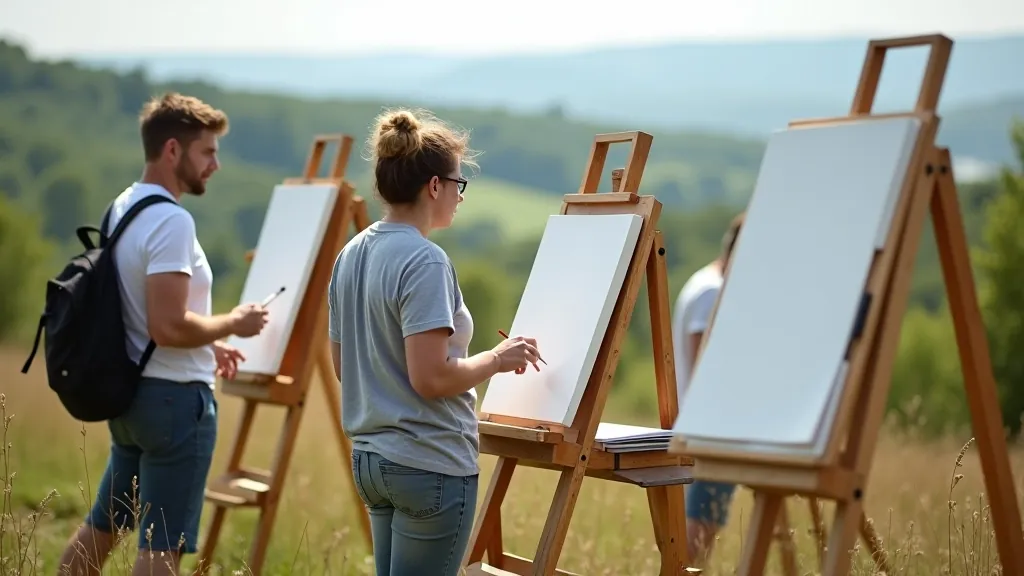
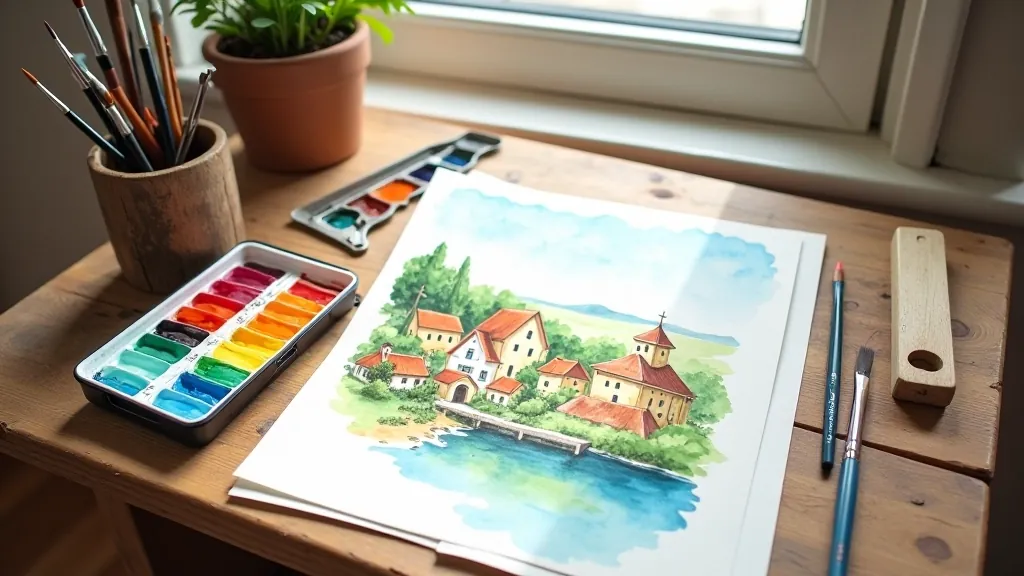
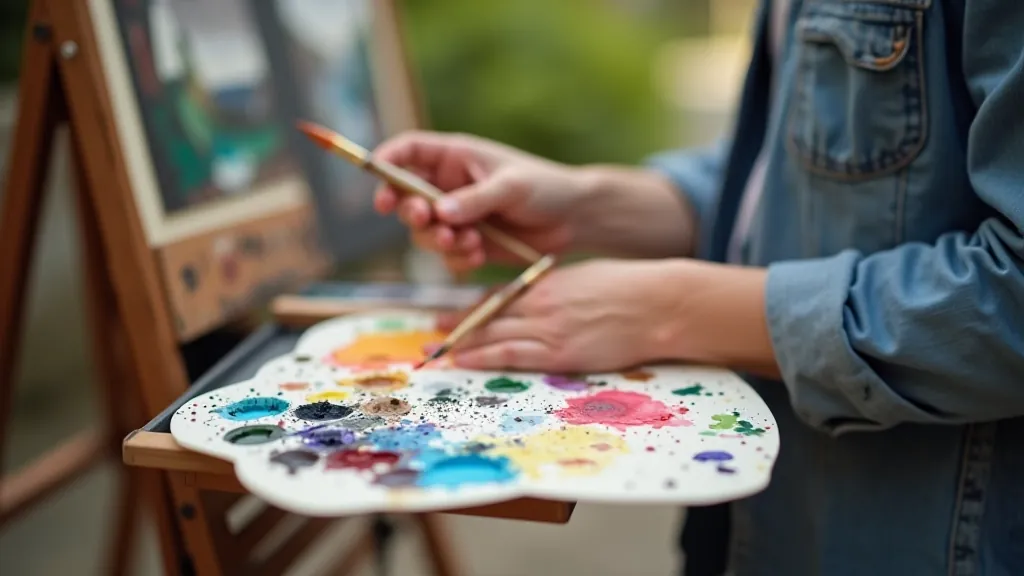
Plein air groups are probably the most popular right now. These are outdoor painting sessions where artists gather to paint landscapes, architecture, or street scenes in natural light. You'll find them organized year-round in places like Trakai Castle grounds, Vilnius riverfront, and Nida's beaches. Sessions usually last 2-3 hours, and everyone brings their own materials.
Studio collectives work differently. A group of artists might share studio space, meet monthly for critique sessions, or organize regular figure drawing sessions with a model. These tend to be smaller, more intimate groups. You're working in the same room, seeing each other's process, getting immediate feedback.
How to Find the Right Group
Search Locally First
Start with what's actually happening in your city. Facebook groups for artists in Vilnius, Kaunas, or Klaipėda usually have event announcements. Local art schools often post about community gatherings. Ask at art supply shops — they always know where people are painting.
Check What They're Actually Doing
Not every group is right for every person. Some focus on technique and improvement. Others are more social. Some groups are highly structured with assigned subjects and time limits. Others are completely free-form. Browse their past events, look at photos, read how people describe the experience.
Show Up to One Session
Seriously. Just go. You'll know within 20 minutes if it's your crowd. Most groups are welcoming to new people. Bring your materials, set up somewhere with a good view, and start working. Talk to whoever's next to you. It's really that simple.
Popular Plein Air Spots in Lithuania
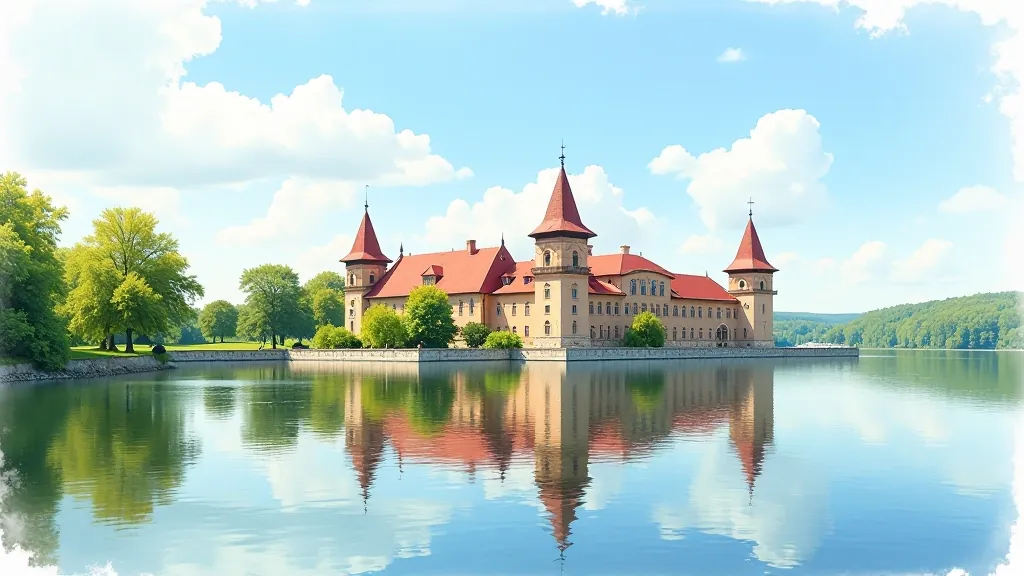
Trakai's become almost legendary for plein air painting. The castle sits on an island in a lake, surrounded by forests. You've got dozens of angles to paint from, and the light changes dramatically throughout the day. Groups meet there regularly, especially on weekends. The walk to good painting spots is short, and there's a café if you need a break.
Nida attracts painters year-round. The dunes, the Baltic light, the way sand and water meet — it's compelling stuff. Summer brings more organized sessions, but winter's actually special too. The light's different, the crowds are gone, and there's something about painting in cold wind that clarifies your thinking. Several groups organize monthly trips down there.
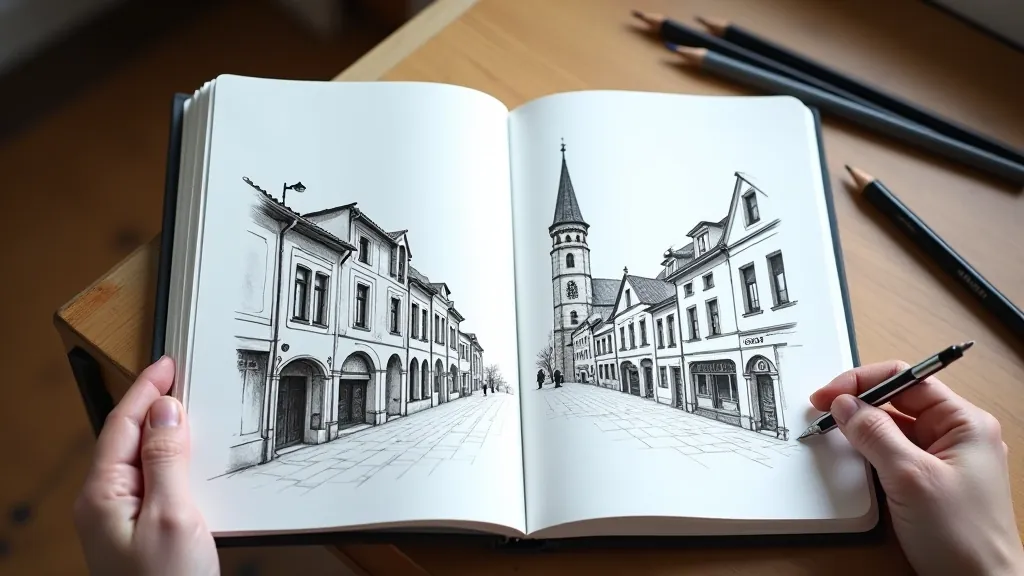
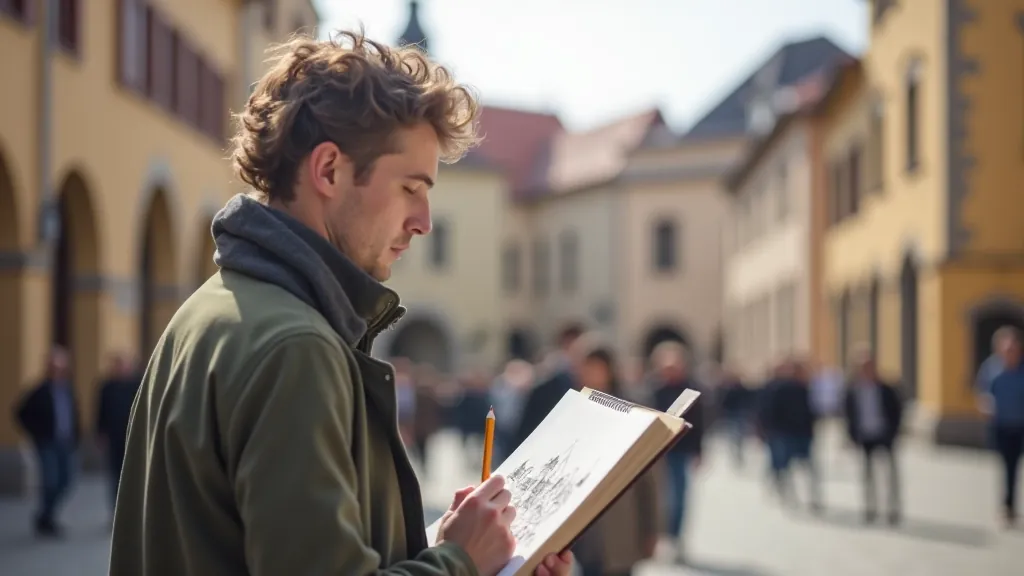
Vilnius Old Town is where you'll find urban sketchers. The narrow streets, old architecture, café culture — it's endless subject matter. Groups meet at specific locations and work for a set time. You might have 90 minutes to capture a street corner, a doorway, a sequence of rooflines. It's fast, focused work.
Explore More Art Guides
Practical Tips for Your First Session
You're nervous. That's normal. Everyone at the session was nervous their first time too. Here's what actually matters: bring materials you're comfortable with, arrive 10-15 minutes early so you're not rushing, and pick a spot where you can see without blocking anyone else's view.
Don't worry about skill level. Groups have beginners, intermediate painters, and people who've been doing this for 20 years. They're all there for the same reason — to paint and improve. You'll be surprised how quickly you stop feeling self-conscious. Once you start working, it's just you and your materials and the subject in front of you.
Talk to people. Ask questions. "How long have you been painting?" "What made you choose this spot?" "Any advice on handling this color?" Artists actually like talking about their work. You might make friends. You'll definitely learn something. And the person next to you might show you a technique you've never seen before.
Bring water if it's a plein air session outdoors. Seriously. And sunscreen. Your face will thank you later. If it's raining or snowing, some groups still meet in sheltered spots. Others reschedule. Check the announcement first.
What Communities Actually Offer
Accountability
When you know you're meeting someone next Saturday morning, you're more likely to practice during the week. The commitment to show up pushes you forward.
New Perspectives
You see how others approach the same subject. Different techniques, color choices, compositions. You steal good ideas and develop your own style faster.
Real Feedback
Someone will tell you what's actually working and what isn't. Not harsh criticism — constructive feedback from people who want you to improve.
Belonging
You're not the only one who thinks spending hours perfecting a drawing is worthwhile. These are your people. You understand each other.
New Locations
Groups know hidden painting spots you'd never find alone. Beautiful locations, less crowded, with interesting light and composition opportunities.
Continued Learning
Groups sometimes host workshops, bring in visiting artists, or organize critiques. Your education doesn't stop after the first lesson.
Important Note
The information in this guide is educational in nature. While we've highlighted real locations and described actual art community types in Lithuania, specific group details, meeting times, and contact information change frequently. Always verify current information directly with local art organizations, community centers, or art supply shops in your area. Many groups coordinate through social media or informal networks, so asking at local studios or checking regional art center websites is your best bet for finding active communities near you.
Start Painting With Your People
The hardest part is just showing up to that first session. You'll feel awkward for maybe 10 minutes. Then you'll get absorbed in your work, and suddenly three hours have passed. You'll meet someone who's been painting for five years and started exactly where you are now. You'll see a technique that makes you want to rush home and practice.
That's what communities do. They make you want to get better. They make painting feel less like a solitary hobby and more like a real practice, something you're serious about. Whether you're sketching in Vilnius, painting landscapes in Nida, or joining a studio collective, you're joining something bigger than yourself. And that changes everything.